

Heat distribution is a critical factor in the performance of an electric countertop pizza oven. As a supplier of Electric Pizza Oven Countertop, I've witnessed firsthand how efficient heat distribution can transform the pizza - making experience. In this blog, we'll explore how heat distribution works in these ovens and why it matters for achieving that perfect pizza.
The Basics of Heat Transfer in Electric Countertop Pizza Ovens
There are three main methods of heat transfer: conduction, convection, and radiation. Each plays a significant role in an electric countertop pizza oven.
Conduction
Conduction is the transfer of heat through direct contact. In an electric countertop pizza oven, the pizza sits on a baking surface, usually a stone or a metal plate. The heating element beneath the surface heats it up, and the heat is then conducted from the surface to the pizza. This direct contact allows for a crispy bottom crust, as the heat quickly sears the dough.
For example, when you place a pizza on the hot stone in our Commercial Table Top Pizza Oven, the stone, which has been pre - heated by the electric heating element, transfers heat to the pizza dough. The molecules in the stone vibrate more rapidly due to the heat, and these vibrations are passed on to the molecules in the pizza dough, causing it to cook.
Convection
Convection involves the transfer of heat through the movement of fluids (in this case, air). In an electric countertop pizza oven, a fan is often used to circulate hot air. The heating element warms the air inside the oven, and the fan blows this hot air around the pizza.
This circulation of hot air ensures that the pizza is heated evenly from all sides. It helps to cook the toppings and the crust uniformly, preventing any cold spots. Our Double Deck Countertop Pizza Oven is equipped with a powerful convection system. The fan in the oven creates a continuous flow of hot air, which reaches every part of the pizza, resulting in a perfectly cooked pie.
Radiation
Radiation is the transfer of heat through electromagnetic waves. The heating elements in an electric countertop pizza oven emit infrared radiation. This radiation travels through the air and is absorbed by the pizza. It can penetrate the pizza, heating it from the inside out.
The advantage of radiation is that it can quickly heat the pizza without the need for direct contact. For instance, in our Small Commercial Pizza Oven, the infrared radiation from the heating elements helps to brown the cheese and the toppings on the pizza, giving it that delicious, golden - brown appearance.
Factors Affecting Heat Distribution
Several factors can influence how heat is distributed in an electric countertop pizza oven.
Oven Design
The design of the oven plays a crucial role in heat distribution. A well - designed oven will have a proper layout of heating elements and a fan system that can circulate air effectively. For example, an oven with a uniform arrangement of heating elements will ensure that heat is evenly distributed across the baking surface.
The shape of the oven also matters. A circular or square - shaped oven may have different heat distribution patterns compared to a rectangular one. The size of the oven can also affect heat distribution. Smaller ovens may heat up more quickly, but they may also have more concentrated heat, while larger ovens may require more time to reach a uniform temperature.
Heating Element Placement
The placement of the heating elements is another important factor. If the heating elements are too close to one side of the oven, it can create hot spots. On the other hand, a balanced placement of heating elements will result in more even heat distribution.
For example, in some of our ovens, we use multiple heating elements placed strategically to ensure that heat is evenly spread throughout the oven cavity. This helps to cook the pizza uniformly, whether it's placed in the center or at the edges of the oven.
Insulation
Good insulation is essential for maintaining a consistent temperature inside the oven. Insulation helps to prevent heat from escaping, which in turn ensures that the heat is distributed evenly. An oven with poor insulation may have temperature fluctuations, leading to unevenly cooked pizzas.
Our electric countertop pizza ovens are designed with high - quality insulation materials. This not only helps in heat distribution but also reduces energy consumption, as less heat is lost to the surroundings.
The Importance of Even Heat Distribution
Even heat distribution is crucial for making a great pizza. Here's why:
Consistent Cooking
When heat is evenly distributed, every part of the pizza cooks at the same rate. This means that the crust will be uniformly crispy, the cheese will melt evenly, and the toppings will be cooked to perfection. Without even heat distribution, you may end up with a pizza that has a burnt crust on one side and an undercooked center.
Quality and Taste
A pizza cooked with even heat distribution has a better quality and taste. The crust will have a nice texture, and the toppings will retain their flavor. This is especially important for commercial pizza makers who need to ensure that every pizza they serve meets the highest standards.
Efficiency
Even heat distribution also improves the efficiency of the oven. Since the pizza cooks more evenly, it takes less time to reach the desired level of doneness. This means that you can make more pizzas in a shorter period, increasing productivity.
How Our Electric Countertop Pizza Ovens Ensure Optimal Heat Distribution
As a supplier of Electric Pizza Oven Countertop, we take great care in designing our ovens to ensure optimal heat distribution.
We use advanced heating element technology to provide a consistent source of heat. Our heating elements are made of high - quality materials that can withstand high temperatures and distribute heat evenly.
The convection systems in our ovens are designed to create a uniform flow of hot air. The fans are carefully calibrated to ensure that the air circulates at the right speed and direction, reaching every part of the pizza.
In addition, we pay close attention to the insulation of our ovens. We use premium insulation materials to prevent heat loss and maintain a stable temperature inside the oven.
Conclusion
Heat distribution is a complex but essential aspect of electric countertop pizza ovens. Understanding how conduction, convection, and radiation work together can help you make the most of your oven and create delicious pizzas.
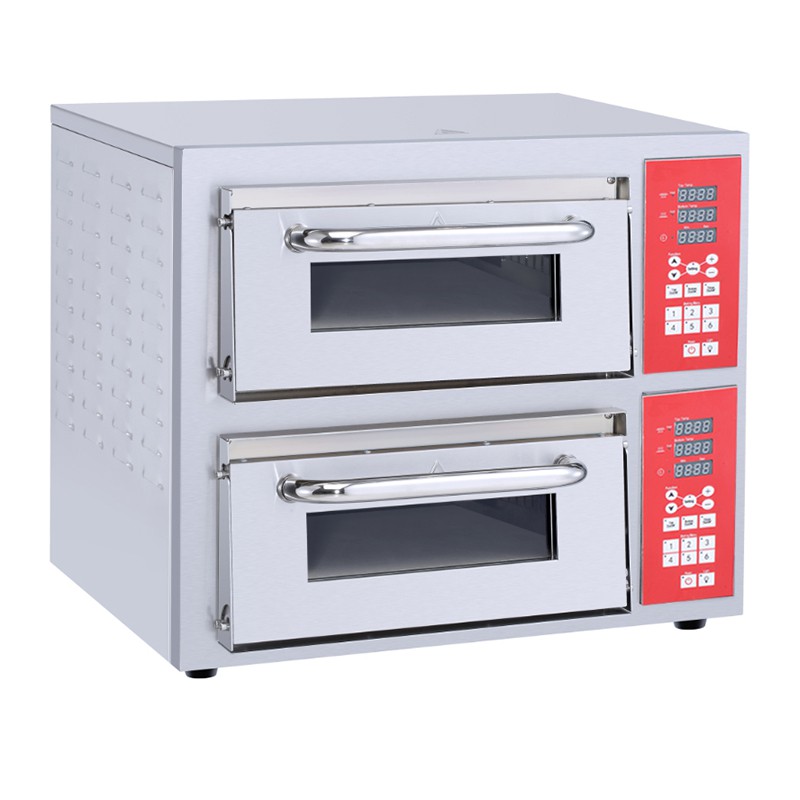

If you're in the market for an electric countertop pizza oven, our products are designed to provide optimal heat distribution and excellent performance. Whether you're a home cook or a commercial pizza maker, our ovens can meet your needs.
If you're interested in learning more about our Electric Pizza Oven Countertop or would like to discuss a potential purchase, we encourage you to reach out to us. We're here to help you find the perfect oven for your pizza - making needs.
References
- "Principles of Heat Transfer" by Frank P. Incropera and David P. DeWitt.
- "Food Science and Technology" by Owen R. Fennema.